
our practice
Recommended reading
A few books our teacher returns to and recommends - some as a way in, some for going deeper.
Introductory

Aitken, Robert (1982). Taking the Path of Zen. New York: North Point Press.
Although quite old now, this remains a very nice way into Zen — accessible and well-written. Aitken Roshi was the first ‘non-oriental’ to be given the title Roshi (senior teacher).

Nhat Hanh, Thich (2008/2021). The Miracle of Mindfulness. Berkeley: Parallax Press.
Mindfulness (another word for awareness) is opened up by the late Vietnamese Zen master in a very helpful and practical way.

Nhat Hanh, Thich (1988). The Heart of Understanding. Berkeley: Parallax Press.
Although this is actually a commentary on the Heart Sutra (chanted daily in Zen and other Mahayana monasteries across the world), Thich Nhat Hanh reveals what the Buddhist idea of emptiness implies about the way we see the world and ourselves.

Reps, Paul (1957/1971). Zen Flesh, Zen Bones. Harmondsworth: Penguin.
One of the very first books on Zen I ever read. Succinct yet intriguing accounts of famous Zen stories, and a very brief version of the Gateless Gate koan collection.

Maezumi, Taizan (2001). Appreciate Your Life: The Essence of Zen Practice. Boston & London: Shambhala.
A wonderful collection of teisho (Dharma talks) by the founder of our lineage.

Merzel, Dennis Genpo (2003). The Path of the Human Being: Zen Teachings on the Bodhisattva Way. Boston & London: Shambhala.
Genpo Roshi was my first Zen teacher, for over twenty years. This is his overall account of what we do in Zen practice, and why. As always, it gets right to the heart of the matter.

Beck, Charlotte Joko (1989). Everyday Zen: Love and Work. London: Thorsons.
Down to earth and accessible instructions for Zen practice.
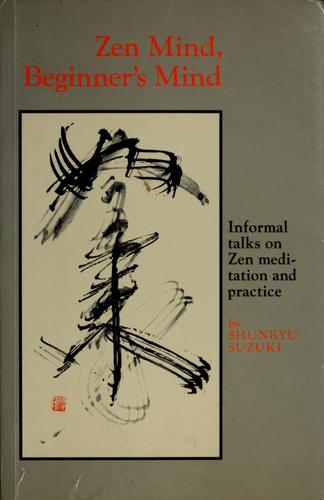
Suzuki, Shunryu (1970). Zen Mind, Beginner's Mind. New York: Weatherhill.
The classic, by one of the early pioneers who brought Zen to America. Shunryu Suzuki Roshi was the founder of the San Francisco Zen Centre. His way is simple, as expressed in the title!

Maezumi, Taizan & Glassman, Bernie (2002). On Zen Practice: Body, Breath and Mind. Boston: Wisdom Publications.
A wonderful collection of essays — many by Maezumi Roshi, but also some by his teachers Koryu Osaka Roshi and Yasutani Roshi, plus some by Dogen Zenji himself, giving invaluable practice instruction.
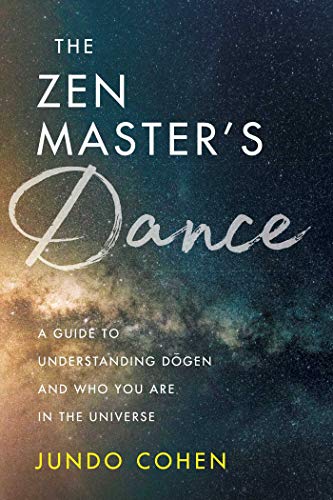
Cohen, Jundo (2020). The Zen Master's Dance. Somerville, MA: Wisdom Publications.
Eihei Dogen was the founder of the Soto Zen sect in Japan. His writings can be quite difficult, but Jundo Cohen Roshi makes them clear and inspiring.
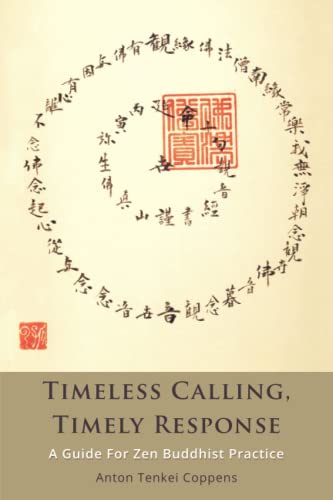
Coppens, Anton Tenkei (2020). Timeless Calling, Timely Response. Uithuizen: Zen River.
In one respect I have saved the best till last! Tenkei Roshi, who studied with both Maezumi and Genpo Roshis, has provided a book that, if you follow its instructions carefully, might be the only Zen book you'd ever need…
Precept study

Aitken, Robert (1984). The Mind of Clover. New York: North Point Press.
Still, in my view, the best introduction to precept study. Clear, concise and inspiring.

Loori, John Daido (1996). The Heart of Being. Vermont: Charles E. Tuttle.
An in-depth and ‘takes-no-prisoners’ approach to precept study, by another of Maezumi Roshi's successors. Transformative!

Rizzetto, Diane Eshin (2005). Waking Up to What You Do. Boston & London: Shambhala.
Places the precepts in real-world situations, with helpful exercises to see how they apply in your life as it is. Designed especially for lay people.

Anderson, Reb (2001). Being Upright: Zen Meditation and the Bodhisattva Precepts.
Perhaps a more religious or devotional, heart-centred approach to precept study, by a former abbot of the San Francisco Zen Centre (in the lineage of Shunryu Suzuki Roshi). Gives more emphasis than some of the others to taking refuge and the three pure precepts, as well as the ten grave precepts.

Baker, Nancy Mujo (2022). Opening to Oneness: A Practical and Philosophical Guide to the Zen Precepts. Boulder: Shambhala.
This is a tremendous and unorthodox book. It starts by showing us how we have to accept those parts of ourselves which break the precepts! The second part, like Jundo Cohen's work recommended above, opens up Dogen's writings in relation to precept study.
Miscellaneous

Merzel, Dennis Genpo (2007). Big Mind, Big Heart: Finding Your Way. Salt Lake City: Big Mind Publications.
Genpo Roshi created this technique, derived from Voice Dialogue therapy, to help give a taste of some of the transcendent states one might normally only encounter after years of practice, complementing and encouraging the practice of zazen — and also, he said, to bring some much-needed sanity to the Zen path! I had the good fortune to do some Big Mind work with him in Salt Lake City, and we now offer it as part of what happens in our sangha.

Leighton, Taigen Dan (2015). Just This Is It: Dongshan and the Practice of Suchness. Boston & London: Shambhala.
Dongshan was one of the founders of the Caodong school in China, which became the Soto school in Japan. Taigen Dan Leighton goes deep into his teachings. This book benefits from multiple readings.

Leighton, Taigen Dan (2003). Faces of Compassion: Classic Bodhisattva Archetypes and Their Modern Expression. Boston: Wisdom Publications.
The bodhisattva, who vows to save all beings before their own enlightenment, is the ideal in Mahayana Buddhism. Leighton explores the qualities of the different famous bodhisattvas in the Mahayana pantheon and offers some possible modern exemplars. A source of inspiration…

Crane, George (2000). Bones of the Master: A Buddhist Monk's Search for the Lost Heart of China. New York: Bantam.
A gripping story of how an exiled Ch'an monk returned to the China he'd escaped from in order to give his deceased master a proper burial. One of the influences that propelled me to monk ordination. Very enjoyable.

Murphy, Susan (2023). A Fire Runs Through All Things: Zen Koans for Facing the Climate Crisis. Boulder, CO: Shambhala.
A deeply inspiring read for those of us concerned with the desecration of our planet, and how our practice relates to this. Zen is not just about hiding out in the hills and waiting for it to get better!